|
<< Click to Display Table of Contents >> Eight injury reporting system 'must-haves' |
  
|
|
<< Click to Display Table of Contents >> Eight injury reporting system 'must-haves' |
|
For best practice RTW an injury reporting system must have these features:
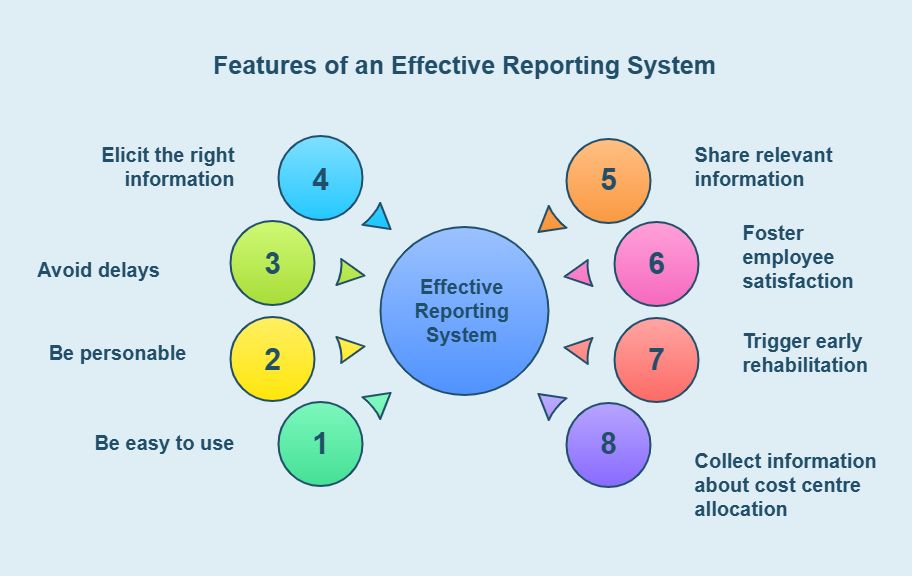
They must be easy to use
A system that is easy to use, well-know, available and simple to follow is more likely to be used in a timely fashion.
Be personable
While getting the system and paperwork right is important, the quality of the interaction sets the scene for further case management. An approach that fosters early care and quality interaction with the employee delivers the best results.
Avoid delays
Late reporting increases the time a person remains off work and increases claim costs. A sensible benchmark is for 95% of cases to be reported within 24 hours after the injury.
Get the right information
Misunderstandings cause problems and are a major contributor to poor long-term outcomes. Obtaining a clear early picture of what has occurred, the influencing factors and input from relevant staff prevents misunderstandings and unnecessary claim actions and disputes.
Share relevant information
Early sharing of case information starts the process of involving key stakeholders. Supervisors, treating practitioners, health and safety staff, human resources, claims managers and department or senior managers should all be briefed on cases as part of the reporting system.
Foster employee satisfaction
Employee satisfaction has a big influence on outcomes. If an employee feels they are an integral part of the process, that they have a say in the system and understands the process they are more likely to return to work.
Trigger early rehabilitation
Injury reporting may be followed by first aid, medical treatment or time off work. The earlier care is provided the earlier systems can be activated. Reporting systems should trigger early management of treatment and RTW management.
Collect information about cost centre allocation
Allocating costs to specific departments or other relevant cost centres allows the organisation to track problems and trends. Ideally, costs should be tracked to the supervisor level.